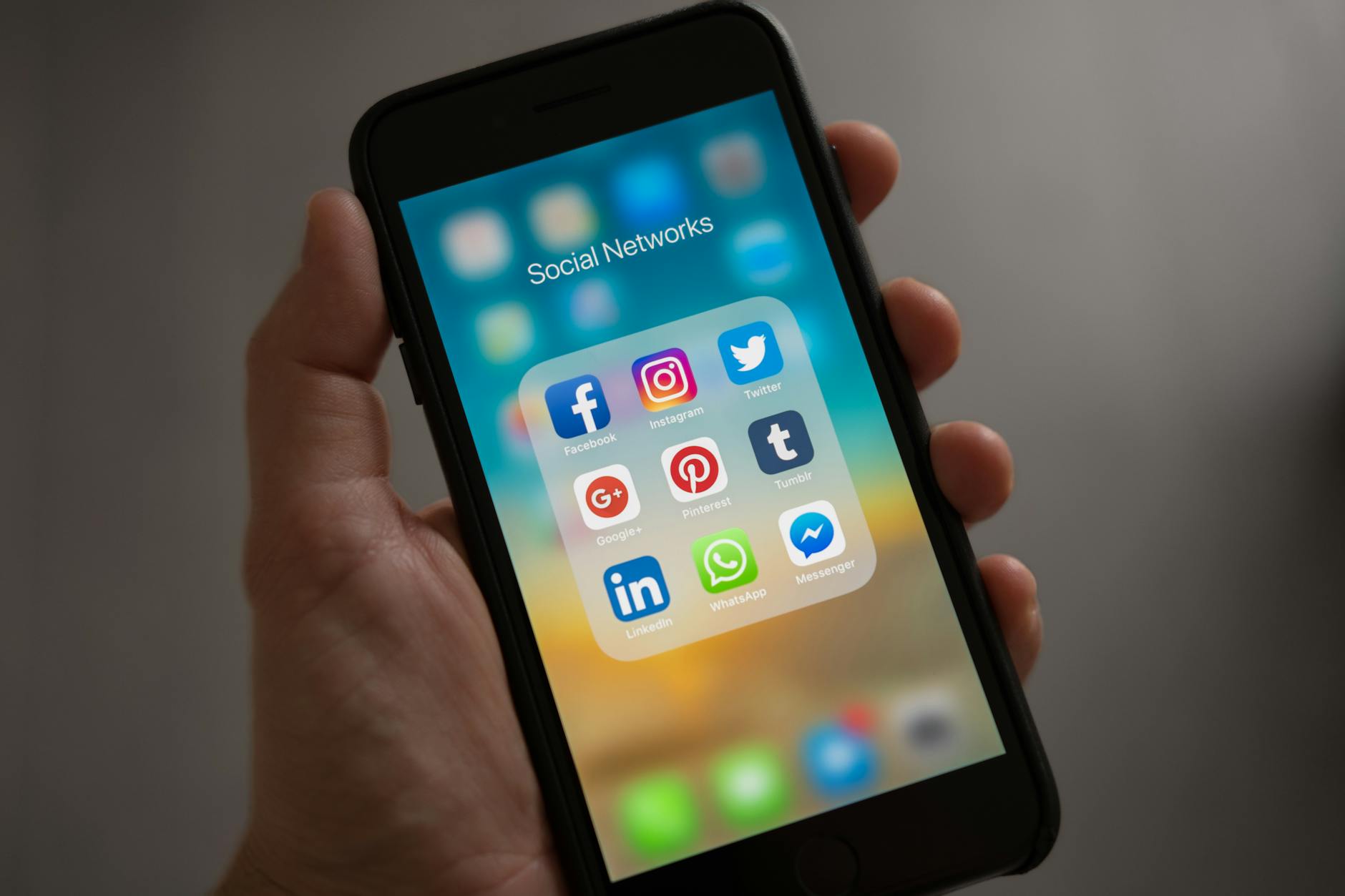
Dealing with Social Media Addiction
Social media can be fun and exciting, but when it begins to take over your life, it’s time to take a step back. The following are the causes, effects, and practical solutions to social media addiction, along with relatable stories to bring the issue to life.
Causes of Social Media Addiction
Social media addiction often comes from a mix of factors:
- Constant Notifications
Alerts, likes, and messages are designed to keep you coming back for more. - Fear of Missing Out (FOMO)
The thought of missing something important or exciting can make you check your apps constantly. - Escaping Reality
Scrolling through social media often becomes a way to avoid real-life problems or responsibilities. - Validation
Receiving likes, comments, or followers provides a quick boost of confidence, which makes it hard to stop.
Effects of Social Media Addiction
Social media addiction can lead to various challenges, such as:
- Mental Health Issues
Spending too much time online can cause anxiety, stress, and low self-esteem, especially when you compare yourself to others. - Reduced Productivity
Hours spent scrolling often take away from work, studies, or personal growth. - Strained Relationships
Focusing on your phone instead of your loved ones can create misunderstandings and distance. - Sleep Problems
Late-night scrolling disrupts sleep, leaving you tired and less productive the next day. - Physical Health Issues
Sitting for long periods while using your phone can cause back pain, eye strain, and other problems. - Time Drain
Hours can slip away while scrolling, leading to missed deadlines, stress, and procrastination.
Solutions to Social Media Addiction.
- Set Time Limits
Use apps or phone settings to track and limit your daily social media usage. Start with a specific goal, like one or two hours a day. - Create “No-Phone” Zones
Keep your phone away during meals, family time, or in the bedroom to improve focus and sleep. - Find Offline Hobbies
Rediscover activities you enjoy, such as reading, painting, or exercising. This reduces the urge to scroll. - Turn Off Notifications
Disable non-essential alerts to avoid distractions and temptation. - Take Social Media Breaks
Try going offline for a day or even a week. You’ll notice how much free time you gain. - Be Intentional About Use
Log in with a purpose, whether it’s to share something meaningful or check updates. Avoid mindless scrolling. - Engage in Face-to-Face Connections
Spend more time with family and friends in person. Real-life conversations are more fulfilling than likes or comments. - Seek Support
Share your goals with friends or family, and ask them to help you stay accountable. - Use Social Media Positively
Follow accounts that inspire and educate you. Unfollow those that cause stress or insecurity. - Be Patient with Yourself
Breaking a habit takes time. Celebrate small wins, like going a day without social media, and build from there.
RELATABLE STORIES.
Tom’s Wake-Up Call
Tom was glued to his phone, scrolling through social media every morning and night. Soon, he started missing work deadlines and noticed his girlfriend, Mary, was upset because he barely paid attention to her. One evening, Mary suggested they look through an old photo album instead of his phone. As they flipped through memories, Tom realized how much he was missing in real life.
The next day, he turned off his notifications and set a two-hour daily limit for social media. He also joined a local cycling club, giving him something fun to do offline. Within weeks, Tom felt more present, less anxious, and even started sleeping better.
Anna’s Journey to Balance
Anna spent hours on social media every day, from scrolling through Instagram in the morning to watching TikTok late at night. Over time, she felt tired, sad, and unproductive. Her friends noticed she was always distracted, and she began comparing her life to influencers online.
Anna decided to make a change. She set a timer on her phone to limit her usage, replaced her late-night scrolling with reading, and planned offline activities like hiking with friends. It wasn’t easy at first, but Anna eventually felt happier, more productive, and better connected to the real world.
Finally.
Social media addiction is real, but it’s possible to regain control with small, consistent steps. Set boundaries, find hobbies you enjoy, and focus on real-life connections.
Remember, the goal isn’t to quit social media entirely but to use it in a way that enriches your life. Like Tom and Anna, you can create a healthier balance and enjoy the world beyond your screen.
Leave a Reply