Understanding Introverts
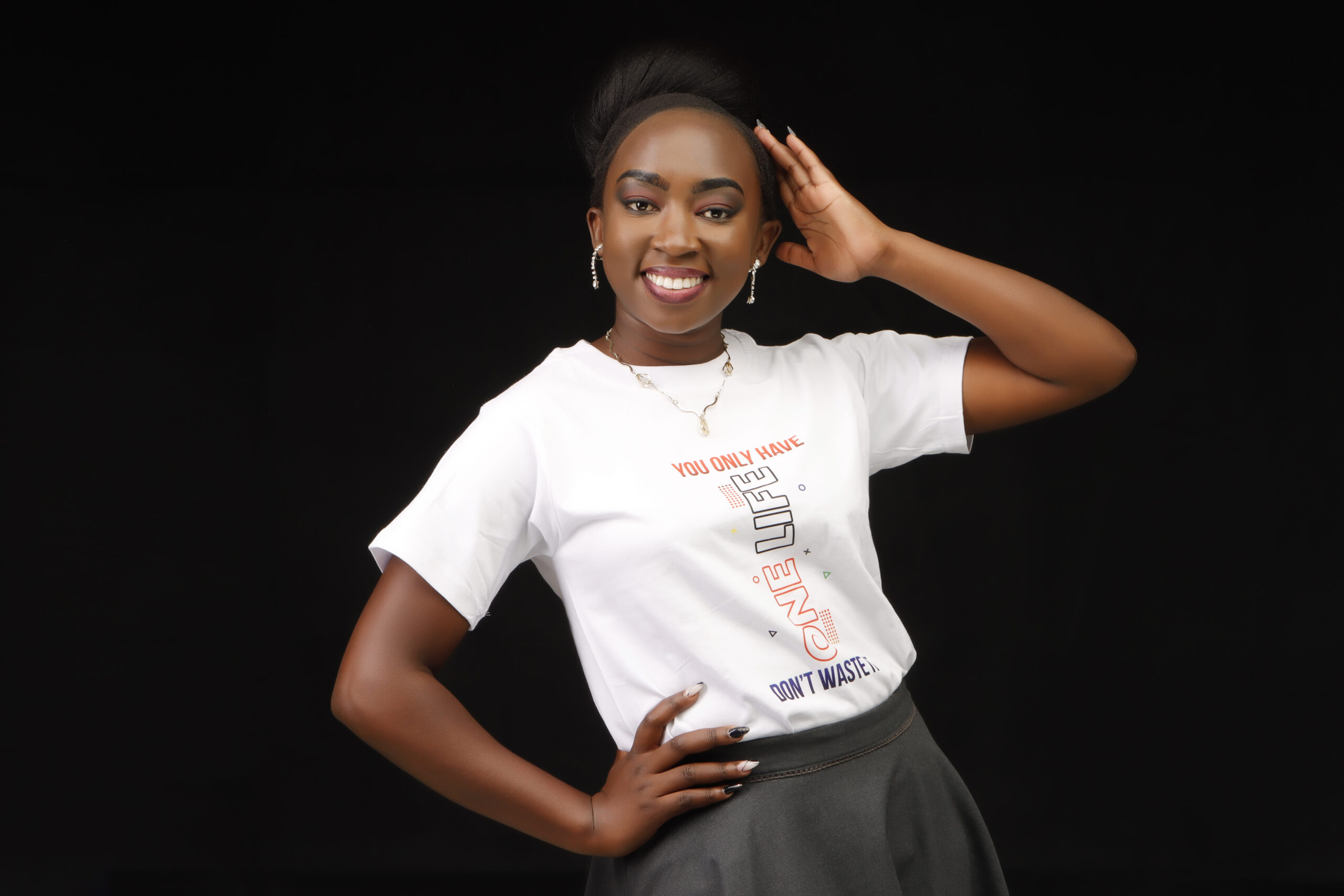
My name is Precious Owoko the founder of Walking Shadow Poetry and a living proof that introverts can shine on big stages without losing their authentic selves. As an introvert, my strength lies not in constant noise but in the power of intentional words, deep emotional connection, and transformative storytelling.
At the same time, many imagine introverts as withdrawn or socially hesitant, I channel my quiet observation and inner reflection into performances that feel personal to every listener. On stage as an MC, actress, or spoken word artist, I tap into my natural empathy, careful preparation, and ability to read the room, turning my energy inward before projecting it outward in powerful bursts.
My journey challenges the stereotype that introverts can’t be hype, entertaining, or dynamic in public spaces. Instead, it shows that introverts can lead vibrant, high-energy events by balancing their public roles with restorative downtime, making each appearance impactful and memorable. Thus the main reason for writing this particular article.
“Being introverted doesn’t limit me, it fuels my creativity. I don’t just fill the room with sound; I fill it with meaning.” — Precious Owoko
Who is an Introvert?
An introvert is a person who feels more energized by solitary or low-stimulation activities than by large social gatherings. The term was introduced by Carl Jung (1921). Introversion is not shyness — it’s about energy preference and processing style.
Key Psychological Traits
– Energized by alone time or calm settings
– Think before speaking
– Prefer deep, meaningful conversations
– Sensitive to external stimuli
– Value quality over quantity in relationships
Biological & Neurological Factors
- Brain Wiring: Introverts tend to use a longer, more complex brain pathway for processing stimuli, involving the frontal lobes and long-term memory — this is linked to their reflective nature. Extroverts process through shorter, faster pathways in sensory areas.
- Dopamine Sensitivity: Introverts are more sensitive to dopamine — a small amount is stimulating, while high levels (from social or high-energy environments) can feel overwhelming.
Myths vs Facts
- Myth: Introverts dislike people vs Fact: They value deep, close relationships.
- Myth: Introverts can’t be leaders vs Fact: Many introverts are highly effective leaders.
- Myth: Introverts are always quiet vs Fact: They can be talkative when comfortable.
- Myth: Introverts are shy vs Fact: Shyness is social anxiety; introversion is about energy preference, not fear of people.
- Myth: Introverts hate public speaking vs Fact: Many excel when well-prepared.
- Myth: Introverts lack social skills vs Fact: They can have excellent social skills, used selectively.
- Myth: Introverts are boring vs Fact: They often have rich inner worlds and deep passions.
- Myth: Introverts always want to be alone vs Fact: They enjoy socializing but need downtime afterward to recharge.
- Myth: Introverts can’t work in teams vs Fact: They thrive in small, focused teams with minimal distractions.
Types of Introverts
- Social Introverts: Prefer small groups or alone time. Not antisocial — they enjoy being with people, but in limited doses. Often choose quiet settings over noisy events.
- Thinking Introverts: Naturally reflective and introspective. Enjoy exploring abstract ideas and big questions. Often excel in creative fields.
- Anxious Introverts: Feel self-conscious or awkward in social settings. May avoid events to prevent discomfort.
- Restrained Introverts: Cautious and deliberate in actions. Take time to warm up socially and prefer structured environments.
Why People Can Fit into Multiple Categories
Jonathan Cheek’s four types of introverts are not personality types in isolation, but patterns of behavior and preference. A person may show traits from several categories depending on context, energy levels, and life stage.
Examples of Overlap
- Social + Thinking Introvert: Loves deep conversations and small gatherings, but also spends long hours daydreaming or creating.
- Anxious + Restrained Introvert: Feels nervous in new settings and takes time to warm up before speaking.
- Thinking + Restrained Introvert: Processes deeply and avoids quick responses, preferring to gather facts first.
Real Life Examples
Trevor Noah: Enjoys solitude, reads extensively, needs quiet after performing. Uses wit and observation to connect with audiences.
Emma Chamberlain: Socially anxious introvert who connects with authenticity and humor.
Steve Harvey: Quiet off stage, but uses humor and charisma to energize audiences.
Beyoncé: Shy and introverted off stage; channels confident stage persona for performances.
Pharrell Williams: Quiet and introspective, engages audiences through music and sincerity.
Strengths of Introverts
- Deep thinking and problem-solving
- Excellent listening skills High creativity Focused and persistent
- Strategic decision-making
Challenges of Introverts
- Misunderstood as aloof
- Networking fatigue Risk of being overlooked
- Overthinking leading to delays
Conclusion
Introverts are not less social, they are differently social. They thrive in environments that respect their need for depth, quiet, and reflection.
Walking Shadow Poetry – Grow from what’s meant to kill you.
https://www.facebook.com/share/v/15scQustbY
Leave a Reply